How to dispose of batteries
The batteries in your junk drawer all look about the same. They get thrown out very differently, and one kind can start a fire if it gets crushed in a garbage truck.
Short answerThe EPA says alkaline batteries can usually go in the household trash. Lithium-ion, rechargeable, button and car batteries can't: tape the ends and take them to a household hazardous waste drop-off, a battery recycler or a retailer takeback program.
Prices and rules checked against each site's own page, linked below. They change, so call before a big load.
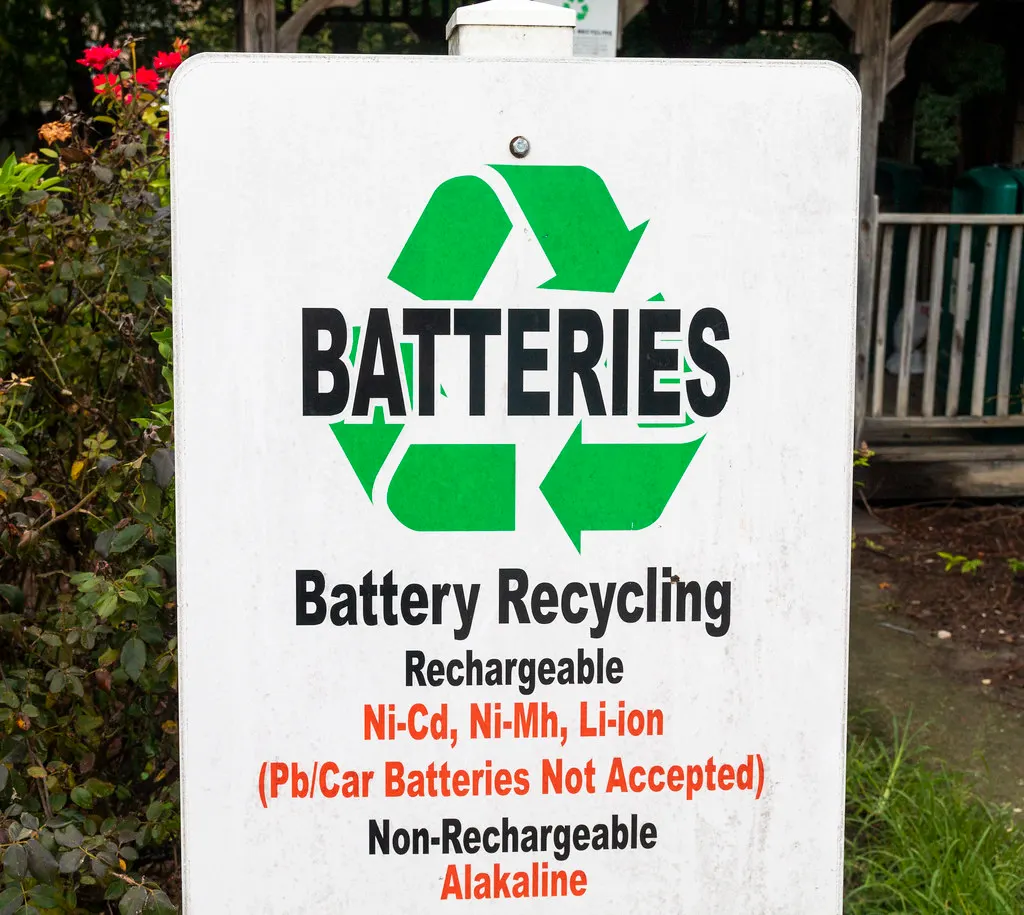
The EPA puts it plainly: batteries can hold enough energy to injure someone or start a fire even when they're used up and look dead (source). So the first job is working out which kind you've got. The EPA's tip is to look for the word "lithium" printed on the battery.
Alkaline batteries: usually the trash
Single-use alkaline and zinc-carbon batteries are the easy ones. The EPA says that in most communities they can go in your household trash. It still recommends sending them to a battery recycler when you can, and says to check with your local or state solid waste authority, since some places set their own rules. Source
Lithium-ion and other rechargeables: never the trash
These are rechargeable batteries, the kind you plug in to charge. The EPA says never to put lithium-ion batteries in household garbage or recycling bins, because they can be damaged or crushed in the truck or the sorting equipment and catch fire. Source The same goes for nickel-cadmium and nickel-metal hydride rechargeables (source).
Before you take them anywhere, the EPA says to put electrical tape over the terminals, or put each battery in its own plastic bag. If a lithium-ion battery is damaged, it says to contact the battery or device maker for handling instructions. Source
When the battery won't come out of the device, the EPA says to take the whole thing to a certified electronics recycler or a takeback program. Source
Button and coin batteries
The small round ones, like watch batteries. The EPA says to keep them out of the trash and recycling bins, tape them or bag them one at a time, and take them to a battery recycler or a retailer with a battery takeback program. Store them where young children can't reach them. Source
Car batteries
Lead-acid car batteries contain sulfuric acid and lead, and the EPA says to keep them out of the trash. It says to return them to the store that sells batteries or take them to your local household hazardous waste program. Source The upside: the EPA puts the recycling rate for the lead in them at 99 percent (source).
Where to take them
These are the drop-offs we've checked that take batteries:
- SWACO's hazardous waste center in Columbus takes all batteries, including alkaline, computer and vehicle batteries, free from Franklin County residents (source). SWACO's Recycling Convenience Center also takes car batteries and household batteries, lithium-ion included (source).
- The Westland Recycle Center in Michigan takes every type, including car and marine batteries, from Westland residents (source).
- Trenton, Michigan's transfer station takes household batteries free from residents (source).
For everywhere else, the EPA points to two search tools: Call2Recycle, which also keeps a map of state battery recycling laws, and Earth911. Some retailers run takeback programs too.
What the dump says
Don't count on the landfill. The Franklin County Sanitary Landfill takes nothing hazardous (source), and Rumpke's Clermont County depot lists batteries as not accepted (source).
Storing them until you go
SWACO warns that new and used batteries can catch fire when they're stored touching each other, and says to keep them in a storage case made for batteries or in their original packaging (source). A loose pile of dead batteries in a drawer is exactly what it's warning about.
 How to dispose of a mattress
 How to dispose of paint
 How to dispose of a refrigerator or AC unit
 How much does it cost to go to the dump?
 Where can you dump for free?
 What can't you take to the dump?